





Product Management
More products don't
necessarily create more profit
Stop guessing which products contribute to the bottom line.
With Inact, you can identify the products that actually create value and make better decisions about product introduction, development, and phase-out.
How many of your products are actually losing money?
You know your best-selling products. But do you also know which products are quietly eroding your margins? They often hide among high-revenue products, product ranges with many variants, or products with costs that do not appear directly in sales reports.
You may be struggling with:
- A feeling that you have too many products, but lack the data to decide which ones should be phased out.
- Product decisions based on gut feeling, historical sales, or the loudest customer — rather than data on what actually drives profit.
- Ongoing discussions between sales and procurement, where sales wants a broader product range while procurement is left managing the additional costs, complexity, and inventory it creates.
- Products remain in the portfolio because individual customers or salespeople push for them, even though they generate low margins or add significant complexity.
A profitable assortment is about more than revenue
Many companies evaluate products based on revenue and sales volume. But products do not contribute equally to the bottom line. Some drive profit and growth. Others create complexity, tie up capital, and hide costs.
Most companies are good at introducing new products. Far fewer are good at phasing them out. That is why strong portfolio management is about continuously prioritising which products deserve a place in your portfolio.
Understand which products create profit
Evaluate your product portfolio based on profitability, complexity, and potential.
Decide which products should be introduced, developed, or phased out.
Built for companies that want to make money from their products
Contribution margin per product
See the true profitability of every SKU and identify which products contribute to the bottom line.
Product lifecycle management
Create a shared foundation for deciding which products should be developed, introduced, or phased out.
Differentiated portfolio management
Prioritise resources, inventory, and attention on the products that create the most value.
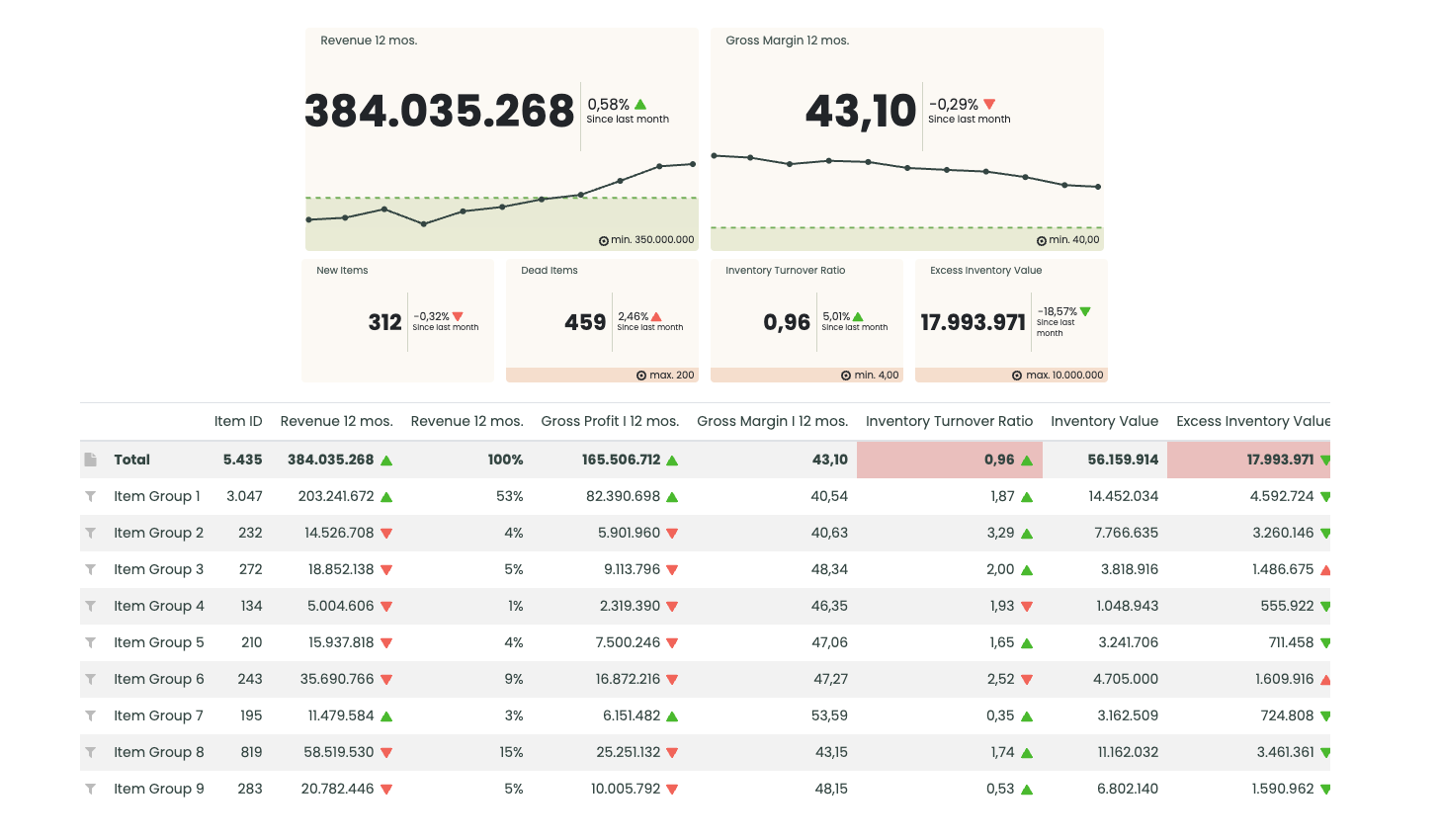
Products dashboard
Easily follow the development in your key figures across product lines.
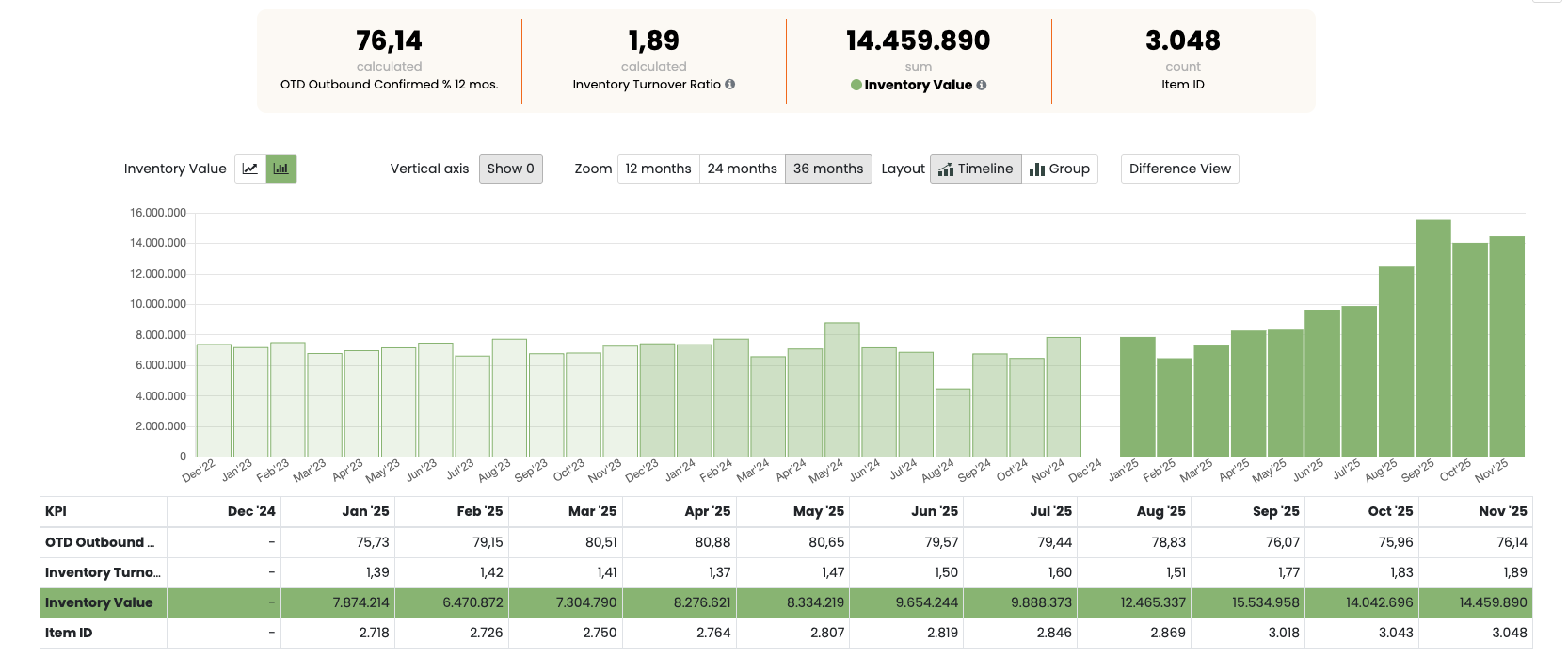
Product line performance
Follow the development of each product line and compare periods.
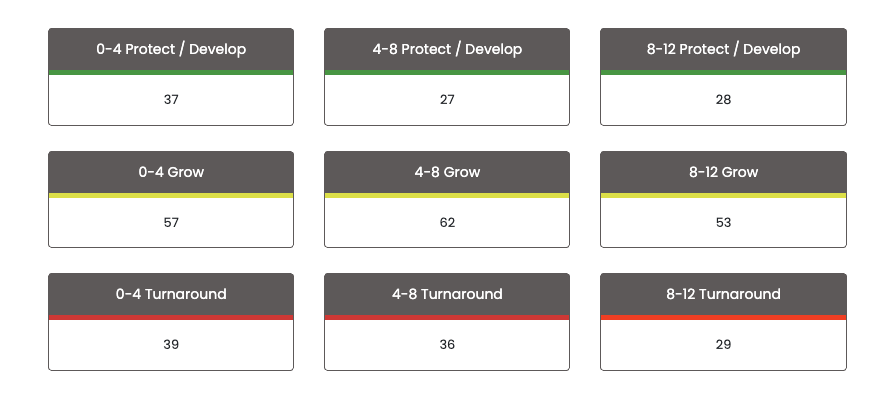
Product introduction
Keep an eye on how products develop after their introduction.
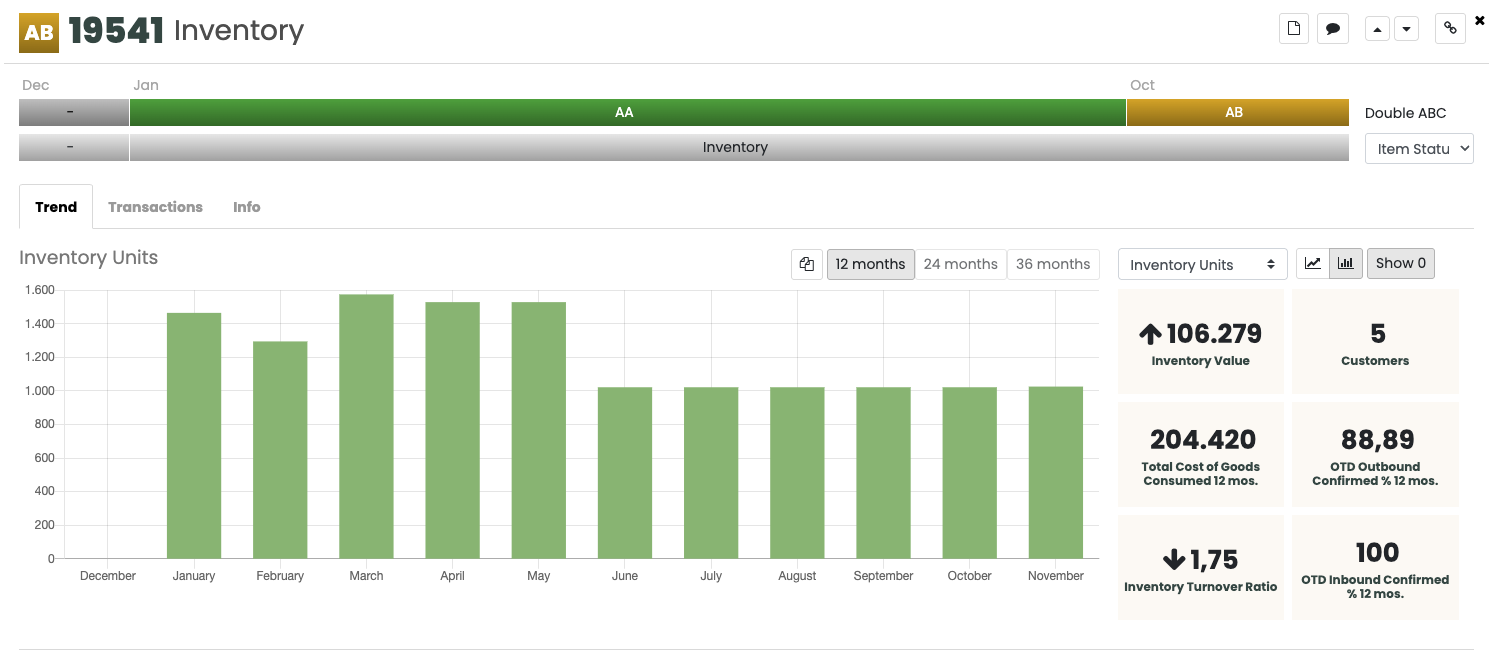
Product lifecycle
See how item numbers develop over time, so you can keep the assortment optimized.
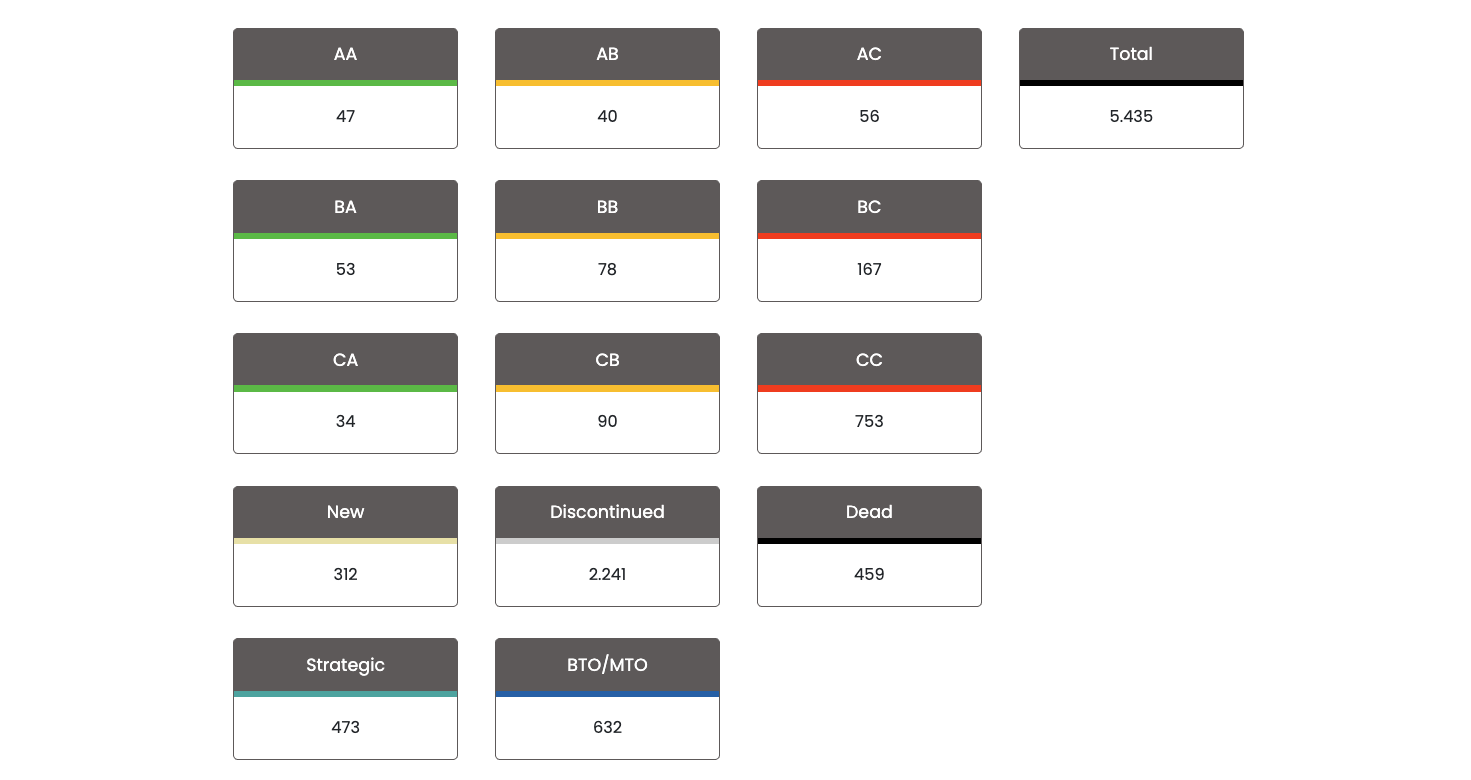
Phasing out products
Analyse the long tail of non-profitable products.
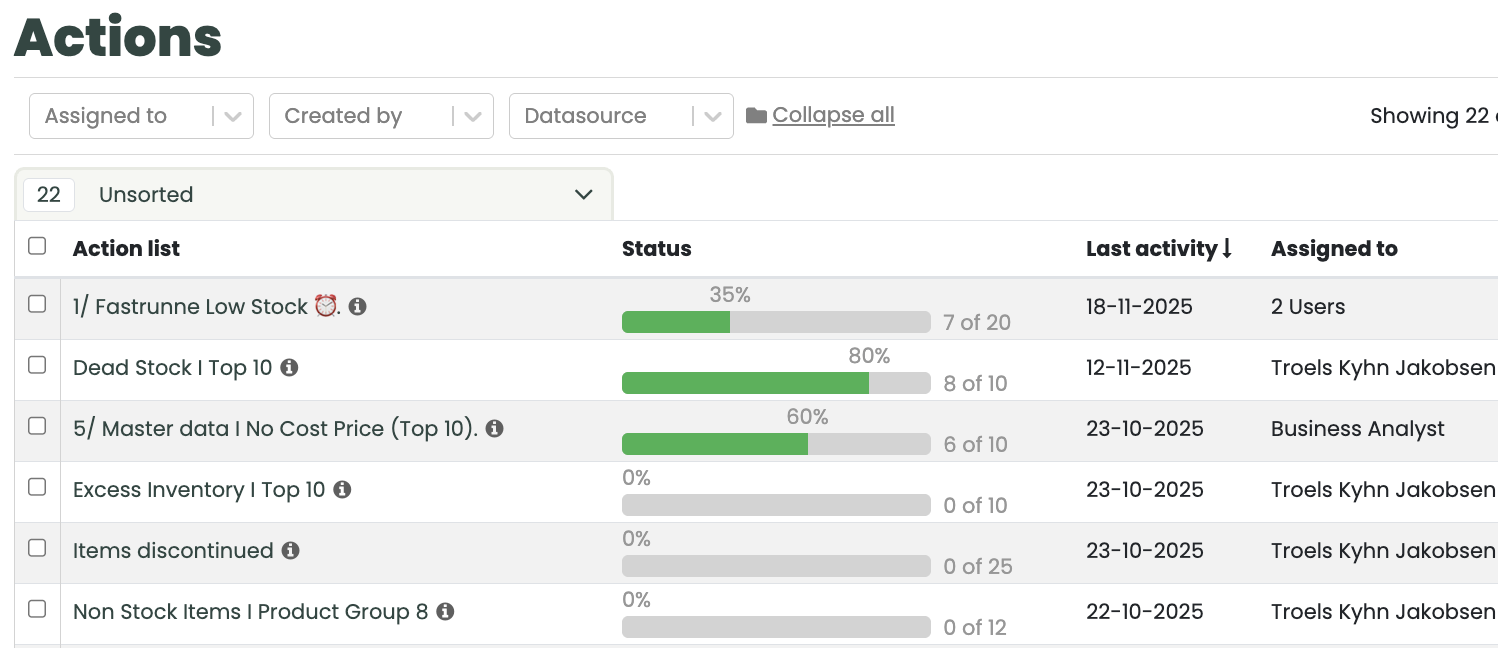
Actions
Daily task lists that directs resources where they create the most values.

Do you want to discover all the possibilities?
Get a live demo and see how you can gain the overview and control you're missing.
Documented improvements across the product assortment
From a complex assortment to higher margins
10-15 %
Increase in margin.
20 %
Fewer low-margin SKU's.
25 %
Reduction in active products without losing revenue
"It's a user-friendly solution that constantly updates itself and continuously guides us with concrete recommendations on what to do."
Kenneth Krogh Jakobsen
Purchasing Manager hos Elcor
"This tool, which teaches us about our assortment, our products, our suppliers, and the distribution of our business, has made a huge difference."
Josefine S. Christensen
Project Manager at Specific Pharma
More than just software
Most supply chain projects fail during implementation. That's why we provide both software and experts.
Consultancy
We make sure that the solution is installed based on your needs and ready to use. You also receive continuous guidance, best practice recommendations and technical support.

Yearly business reviews
We take co-responsibility and evaluate your return-of-investment as well as how the solution is supporting your business goals.

Academy program
Frequently asked questions about our product management solution
Isn't it risky to phase out products? What will our salespeople say?
Yes, it can be, if it's done blindly.
That is why our approach is 100% data-driven.
The solution not only shows you which products have a low margin but also which customers buy them and what else they buy.
This enables you to make the decision on an informed basis and gives the sales team the data they need to, for example, offer the customer a better alternative ('Next Best Product').
Our product data is not always accurate. Can we still use the solution?
Yes. In fact, one of the first benefits our customers experience is that the solution makes data problems visible.
When we gather and visualize your product data, it quickly becomes clear where information is missing.
The process of implementing the solution is often a catalyst for getting your master data under control.
How do you calculate "real profitability"?
We typically start with the contribution margin (sales price minus variable costs), which we retrieve from your systems.
But we can enrich this with other data to get an even clearer picture, for example, by looking at inventory costs, handling costs, or marketing spend per product.
The goal is to move from a simple revenue focus to a real profit focus.
How often should we review our assortment with this tool?
Where it might previously have been a heavy, annual exercise in Excel, our solution makes it a dynamic and ongoing process.
Most of our customers use the tool on a monthly or quarterly basis to follow up on product performance, prepare for S&OP meetings, and make continuous decisions about the assortment.
Didn't you find the answer you were looking for?
Ready to build a more profitable assortment?
- You don't know which products create profit — and which ones are eroding your margins.
- You want to make better decisions about product introduction, development, and phase-out.
- You need a shared foundation for prioritising your product portfolio across Sales, Supply Chain, and Management.